On September 17, 2026, the U.S. Department of Health and Human Services (HHS) announced a new federal review focused on electromagnetic fields (EMFs), radiofrequency (RF) radiation, and wireless radiation exposure. The formal Request for Information (RFI) was published in the Federal Register on September 21, and the public-comment period closed on October 21, 2026.
The HHS EMF review is significant because the Department asked for evidence across a wide range of technologies and questions: mobile phones, Wi-Fi, smart meters, wireless infrastructure, wearables, 5G and 6G, satellite communications, Internet of Things devices, smart homes, autonomous vehicles, exposure measurement, sensitive populations, safety standards, and research priorities.
But the existence of the review should not be confused with a scientific conclusion. HHS has not declared that ordinary wireless exposure is harmful, nor has it announced new federal exposure limits. The Department is gathering information so it can evaluate the evidence, identify gaps, compare regulatory approaches, and consider future research or policy recommendations.
Quick answer: what happens after the HHS EMF comment period?
Now that the October 21 comment deadline has passed, the next phase is evidence review. HHS can examine the submissions in the public docket, assess the quality and relevance of the material received, compare U.S. and international approaches, identify unresolved questions, and use that work to inform federal research priorities or practical recommendations.
There is no automatic rule change at the end of an RFI. Existing federal RF exposure requirements remain in place unless the responsible agencies take separate action. As of October 24, 2026, HHS has not announced final findings, a new exposure standard, or a public timetable for a final report from this RFI.
What exactly did HHS ask the public to submit?
The HHS announcement explains that the Department is looking for information that can help it assess the current state of scientific evidence and distinguish established findings from emerging research and uncertainty. Respondents were encouraged to identify whether their submissions were based on peer-reviewed research, government reports, industry data, clinical observations, technical reports, datasets, or other sources.
Health experiences and clinical observations. HHS invited individuals, families, clinicians, researchers, and public-health professionals to submit observations involving possible health effects they believe may be associated with RF/EMF exposure. Importantly, an observation is not the same thing as proof of causation; it can instead help identify questions that may deserve better study.
Exposure standards and risk assessment. The Department requested evidence about existing U.S. and international exposure standards, regulatory frameworks, and whether scientific, technical, or regulatory changes could improve how exposure is assessed, disclosed, or managed.
Exposure measurement and surveillance. HHS asked how real-world exposure can be measured more accurately at the individual and population level, what information should be disclosed to the public, and whether improved surveillance systems could provide better data.
Potentially sensitive populations. The RFI specifically raised questions about children, pregnant women, older adults, people with implanted medical devices, workers with higher occupational exposure, and people with preexisting medical conditions.
Existing scientific evidence. HHS requested information about potential adverse health effects associated with RF exposure, including research involving exposure below current federal limits, cumulative exposure patterns, and possible environmental effects.
Federal research priorities. The Department also asked which unanswered questions deserve the most attention and how federal health agencies such as the FDA, NIH, and CDC could better coordinate future research.
Why does the review cover so many technologies?
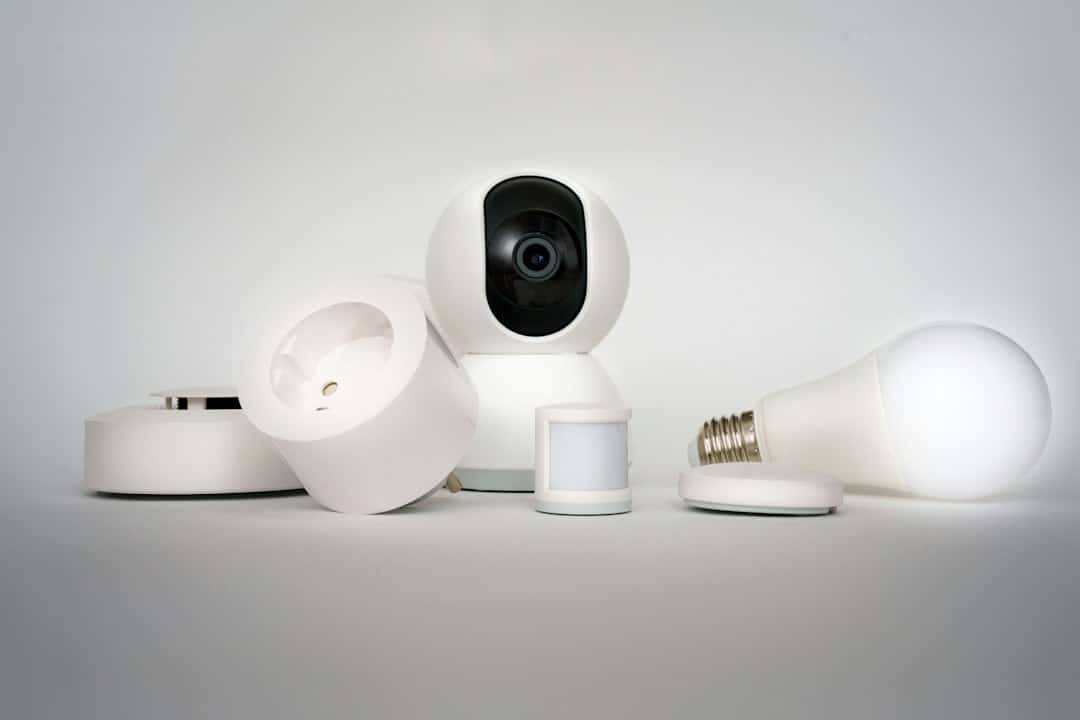
Wireless exposure is no longer limited to a phone held to the ear. A typical connected environment may include Wi-Fi routers, laptops, phones, Bluetooth accessories, smart watches, security systems, connected appliances, smart meters, vehicle communications, wireless medical devices, and nearby infrastructure. Each technology can use different frequencies, power levels, transmission patterns, and distances from the user.
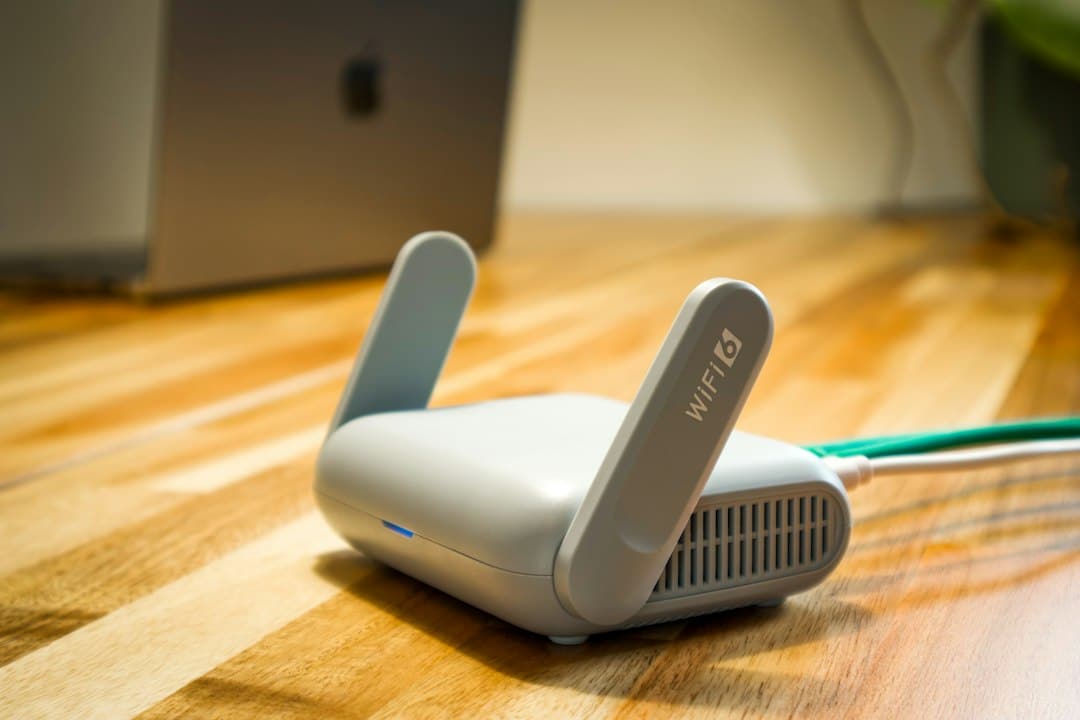
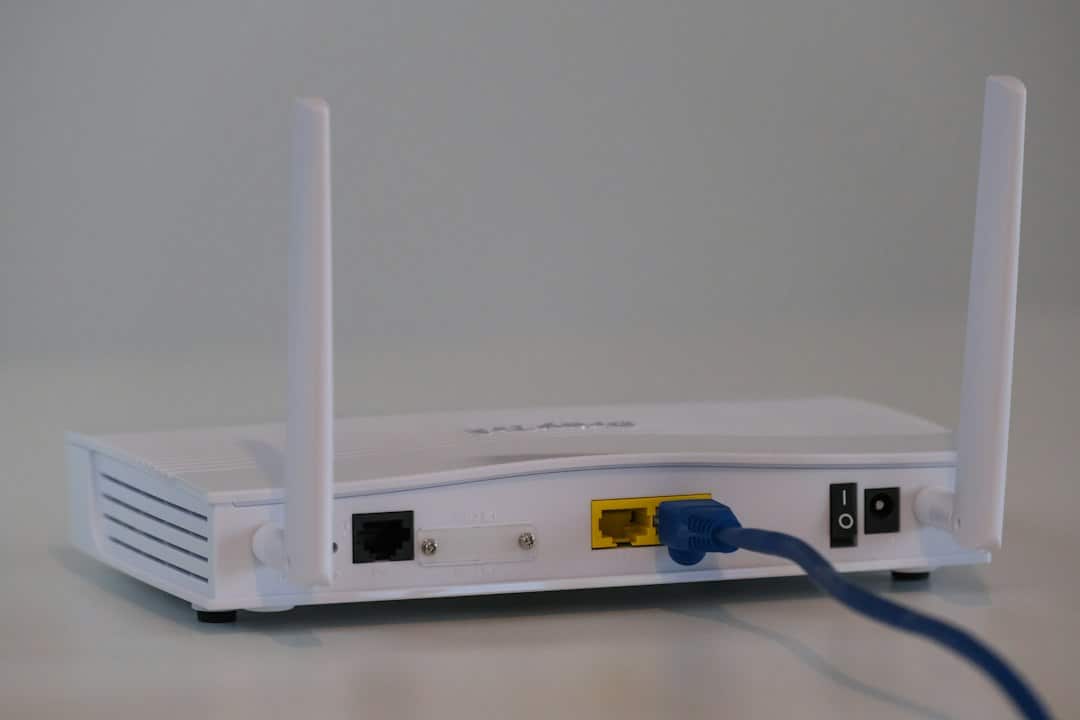
That is one reason HHS framed the review broadly. A useful scientific assessment has to distinguish among different sources rather than treating every form of electromagnetic exposure as if it were identical. Readers who want a practical example can see our guide to Wi-Fi router EMF, placement, and distance, which explains why exposure varies with equipment, location, use, and distance.
The same distinction matters in vehicles. Modern gasoline, hybrid, and electric vehicles contain electrical and wireless systems, but their exposure patterns are not interchangeable with a home router or a mobile phone. Our separate guide on electric vehicle EMF looks at that environment on its own terms.
What the HHS review does not mean
An RFI is a fact-finding tool. It gives an agency a structured way to collect evidence, technical information, public experience, and policy perspectives before deciding whether additional work is needed.
It does not by itself establish that current federal limits are inadequate. It does not prove that a particular wireless technology causes disease. It also does not establish that every question about long-term or cumulative exposure has already been resolved.
Those distinctions matter because the public discussion around EMF often jumps too quickly from “the government is reviewing this” to “the government has confirmed a danger.” The actual HHS notice is more careful. It asks for evidence on both established findings and uncertainties, and it explicitly asks contributors to identify the basis for the claims they submit.
How current federal guidance fits into the picture
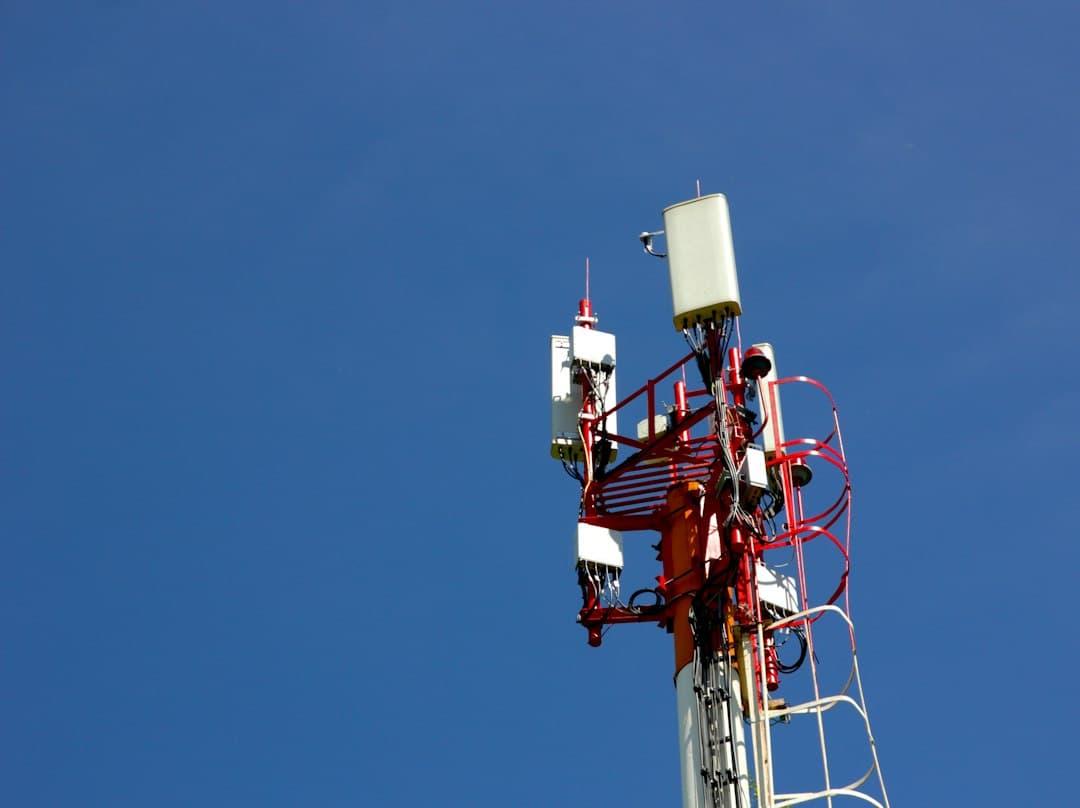
Federal responsibility for RF exposure is spread across agencies. The U.S. Food and Drug Administration says it provides scientific input and expertise on electronic-product radiation, while the Federal Communications Commission sets RF emission and exposure requirements for cell phones and similar wireless products.
The FDA’s current public information on cell phones states that the weight of scientific evidence has not linked cell-phone RF radiation with health problems. At the same time, the new HHS RFI asks researchers and other stakeholders to submit evidence involving exposure below current federal limits, cumulative exposure, real-world measurement, and emerging technologies. These statements are not necessarily contradictory: a review can examine unanswered questions while existing standards and guidance remain in force.
Internationally, the World Health Organization continues to assess electromagnetic fields through its International EMF Project, and the International Commission on Non-Ionizing Radiation Protection (ICNIRP) publishes RF exposure guidelines covering frequencies from 100 kHz to 300 GHz, including applications such as Wi-Fi, Bluetooth, mobile phones, base stations, and 5G.
The existence of different national and international frameworks is one of the reasons HHS specifically asked for comparisons among standards and regulatory approaches.
What may happen next
1. HHS reviews the public docket and supporting evidence
The first task is likely to be sorting and evaluating a large range of submissions. A peer-reviewed study, a technical measurement report, a regulatory analysis, a clinician’s observations, and a personal experience do not carry the same evidentiary weight. A credible review has to distinguish among them rather than count every submission as equivalent evidence.
2. The Department can identify where evidence is strong—and where it is incomplete
The RFI is structured around gaps as much as conclusions. HHS can use the record to identify questions where evidence is consistent, areas where studies disagree, technologies that are poorly represented in older research, and exposure scenarios that may need better measurement.
3. Research priorities may become more specific
One of the clearest goals stated by HHS is to identify research priorities. That could include better real-world exposure characterization, improved study design, work involving specific populations, or research that reflects the way multiple connected technologies are used today.
4. HHS may develop recommendations for policymakers and public-health stakeholders
HHS says responses will help inform practical, evidence-based recommendations for policymakers, families, schools, communities, and public-health professionals. The form and timing of any resulting recommendations have not yet been announced.
5. Any change to federal exposure rules would require a separate process
The RFI itself does not rewrite FCC exposure limits or device-compliance rules. If a federal agency later proposes a regulatory change, that action would have its own legal and administrative process. For now, the important development is that HHS has created a formal federal record focused specifically on RF/EMF science, standards, measurement, and research needs.
What should consumers do while the review continues?
There is no need to interpret a pending federal review as an emergency. A more useful approach is to stay informed, follow device and manufacturer instructions, and make practical technology choices that fit your household without treating every wireless signal as equivalent.
For people who prefer to reduce unnecessary wireless use, simple choices can include placing network equipment where it provides good coverage without being unnecessarily close to frequently occupied spaces, using wired connections where they are practical, and turning off functions that are not needed. Our article on everyday EMF-related choices discusses these kinds of practical measures in more detail.
It is also useful to understand what a measurement can and cannot tell you. RF exposure depends on factors such as source, frequency, distance, transmission duty cycle, device power, environment, and the measurement method. A consumer meter reading should not automatically be treated as a medical-risk score.
Why evidence quality will matter more than the number of comments
Public participation can identify concerns and questions, but scientific conclusions require more than volume. Study design, exposure characterization, replication, statistical methods, biological plausibility, relevance to real-world conditions, and consistency across evidence all matter.
This is especially important in EMF discussions, where established electrical and physical principles, laboratory findings, epidemiology, personal experiences, and commercial product claims are sometimes blended together. They should be evaluated separately.
At Your Serenity, we believe readers are better served when those categories remain clear. Our educational articles aim to distinguish current public-health guidance from open research questions and from manufacturer-specific product positioning. For a broader introduction to wireless-device topics, see our wireless-device EMF guide and our overview of daily EMF exposure.
Where Memon products fit—and where they do not
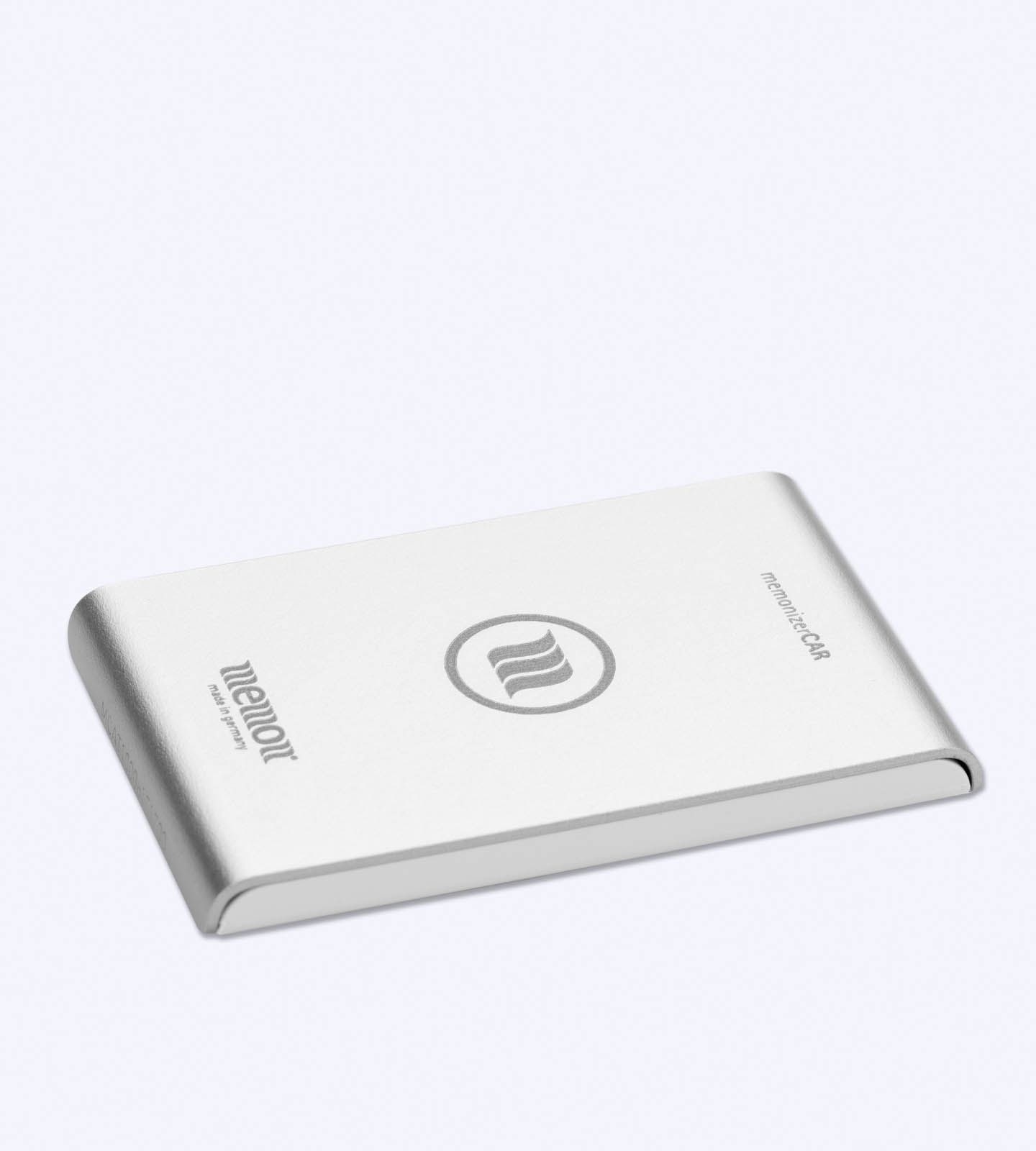
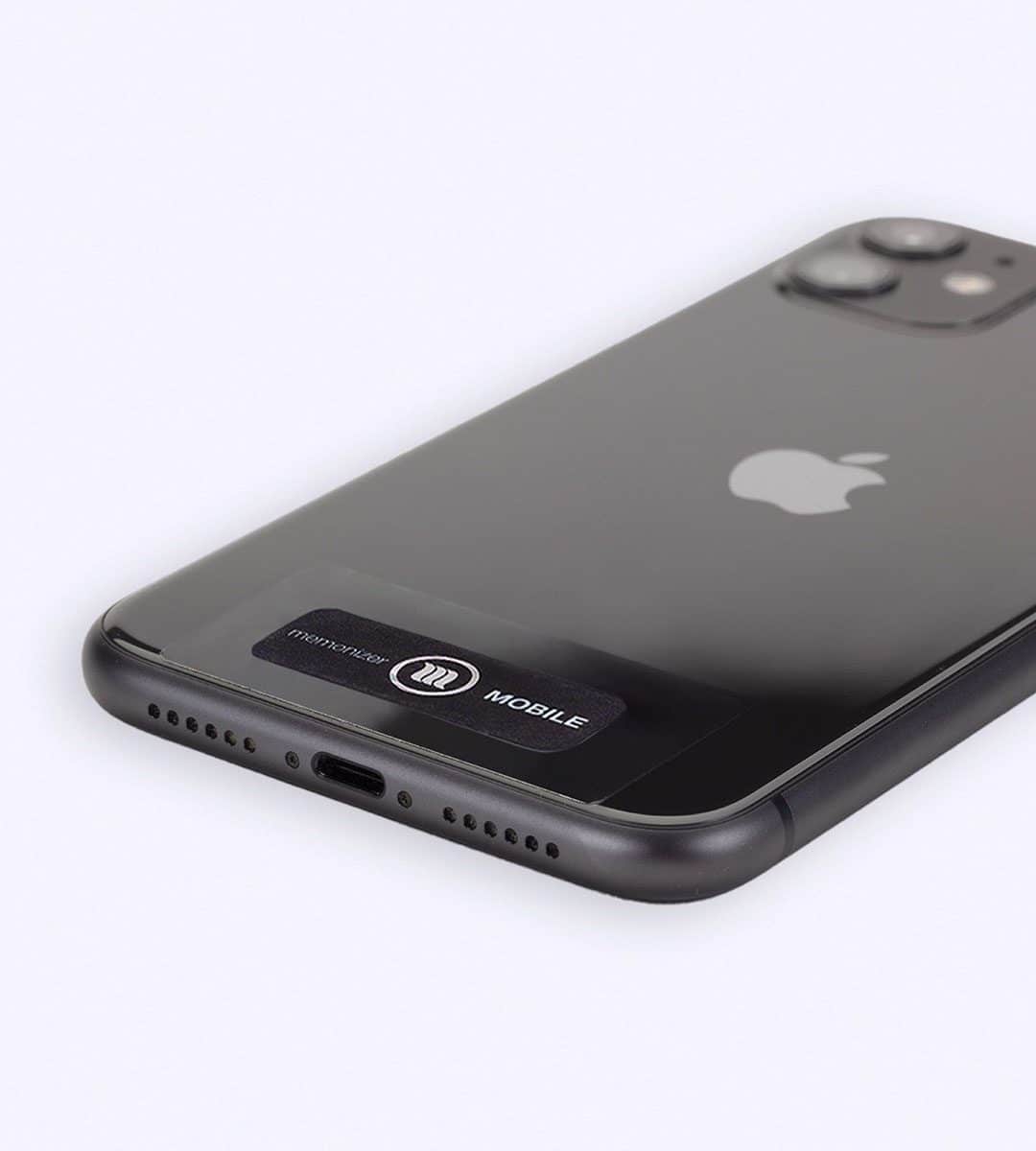
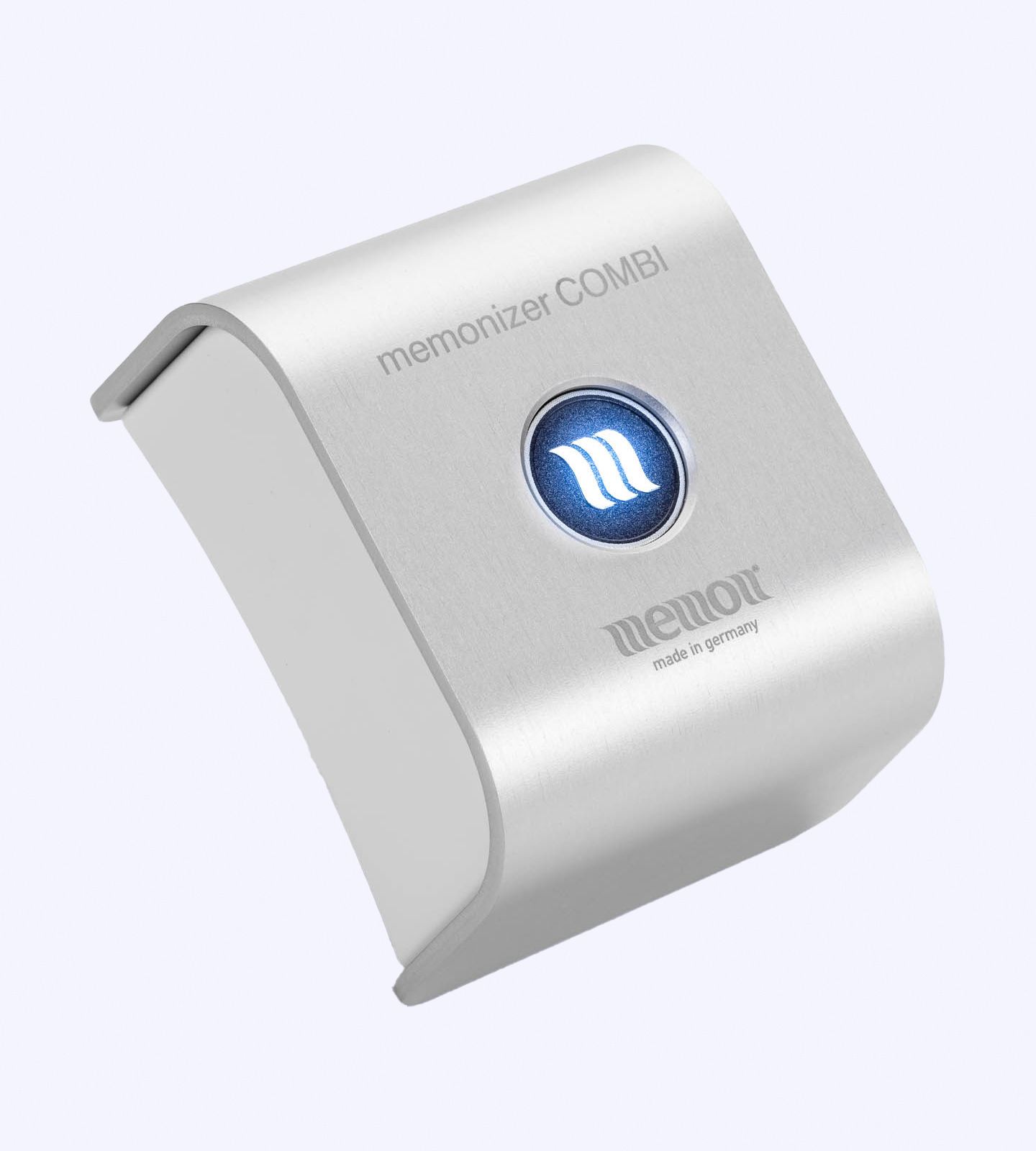
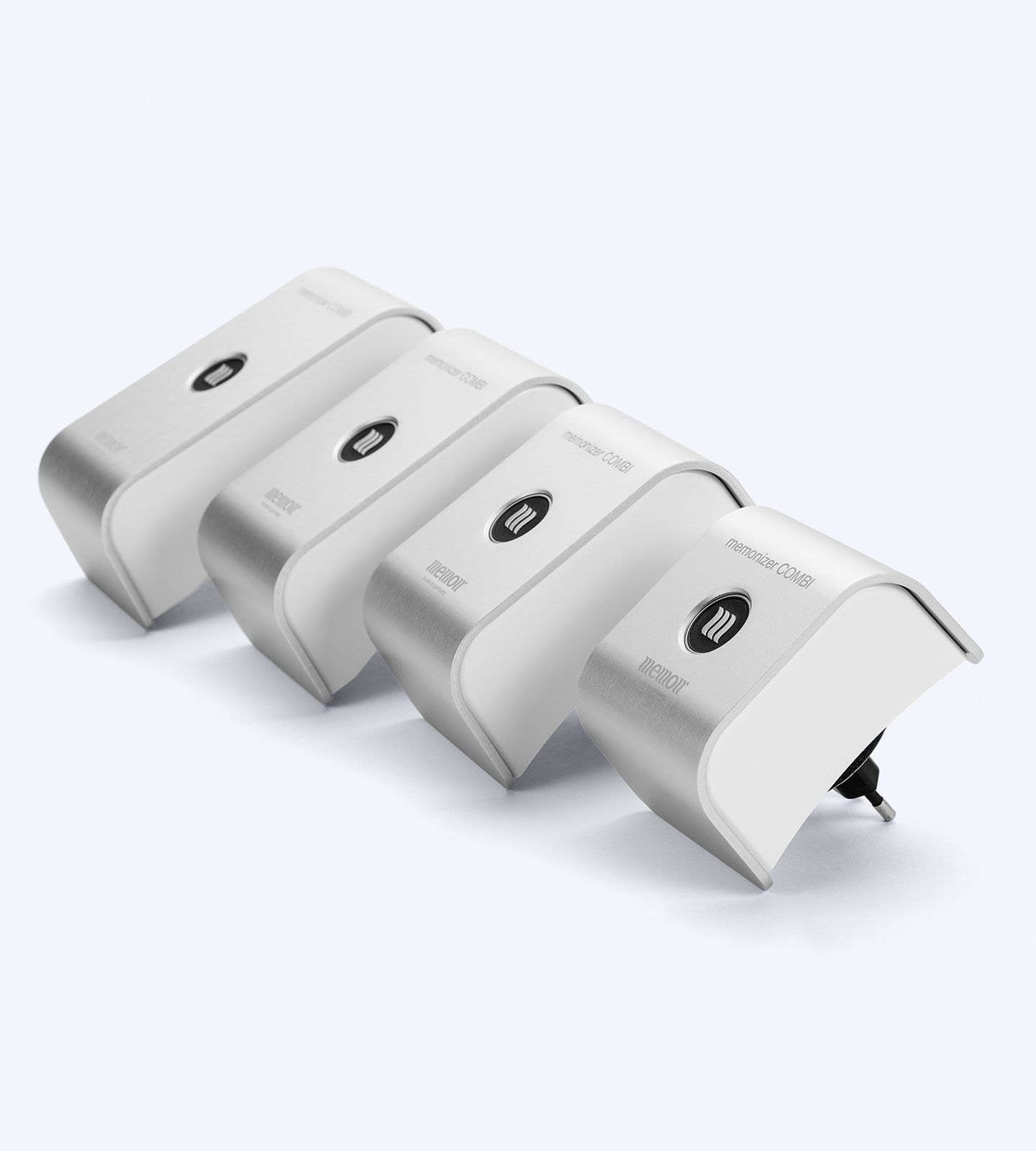
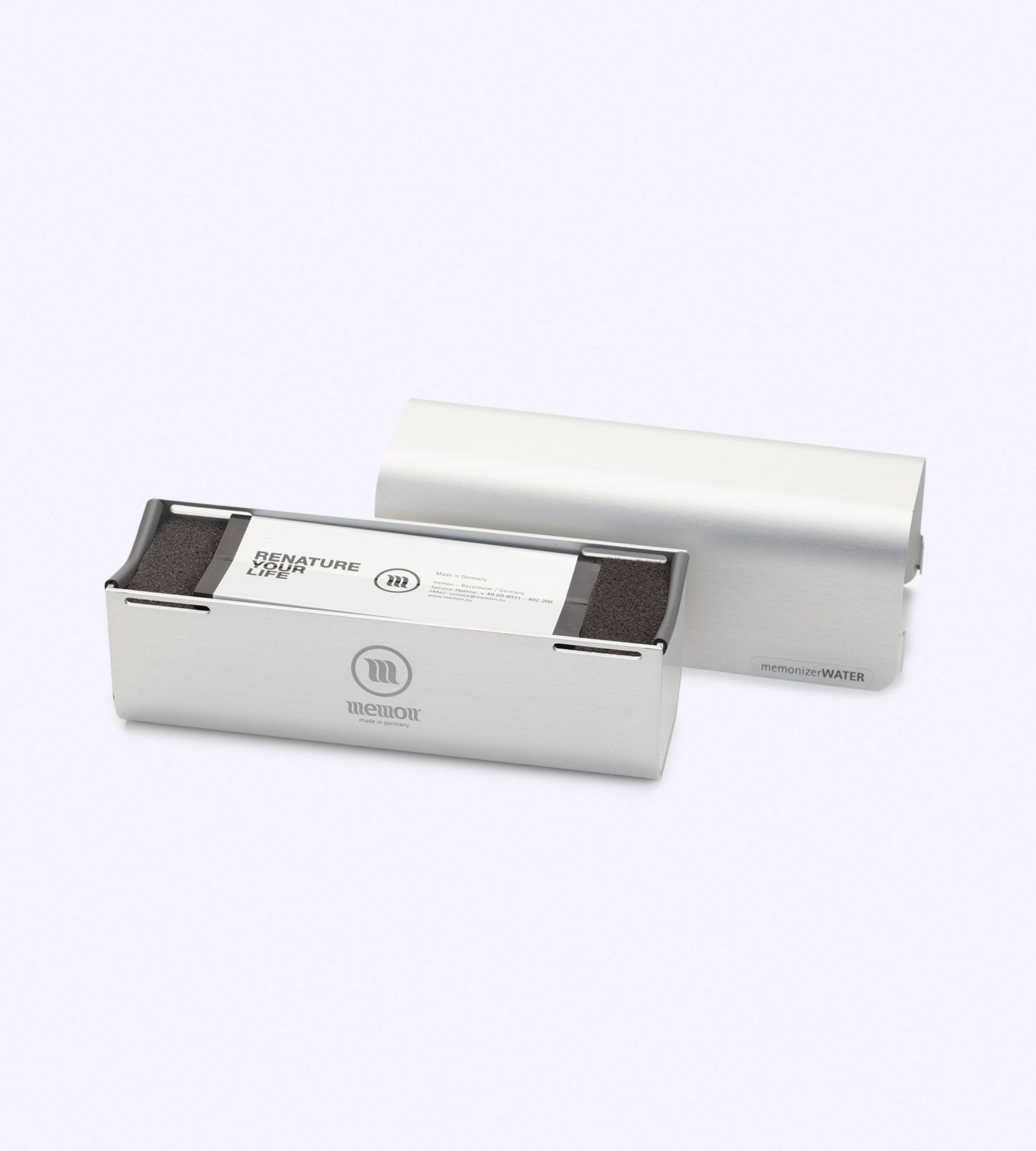
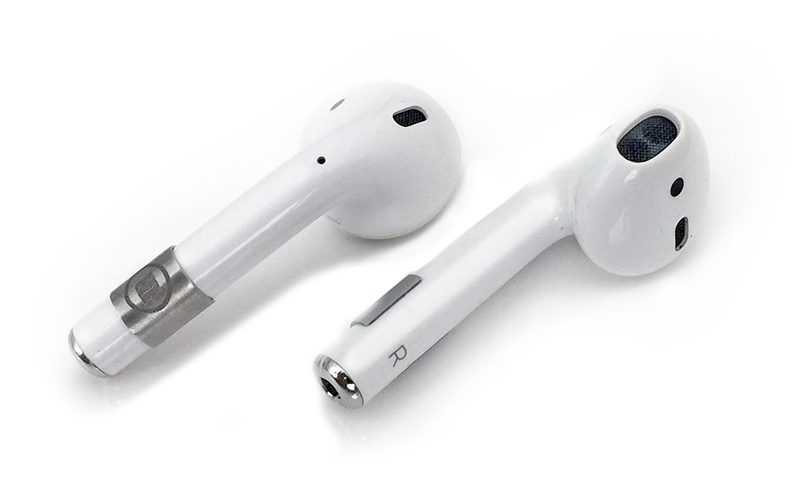
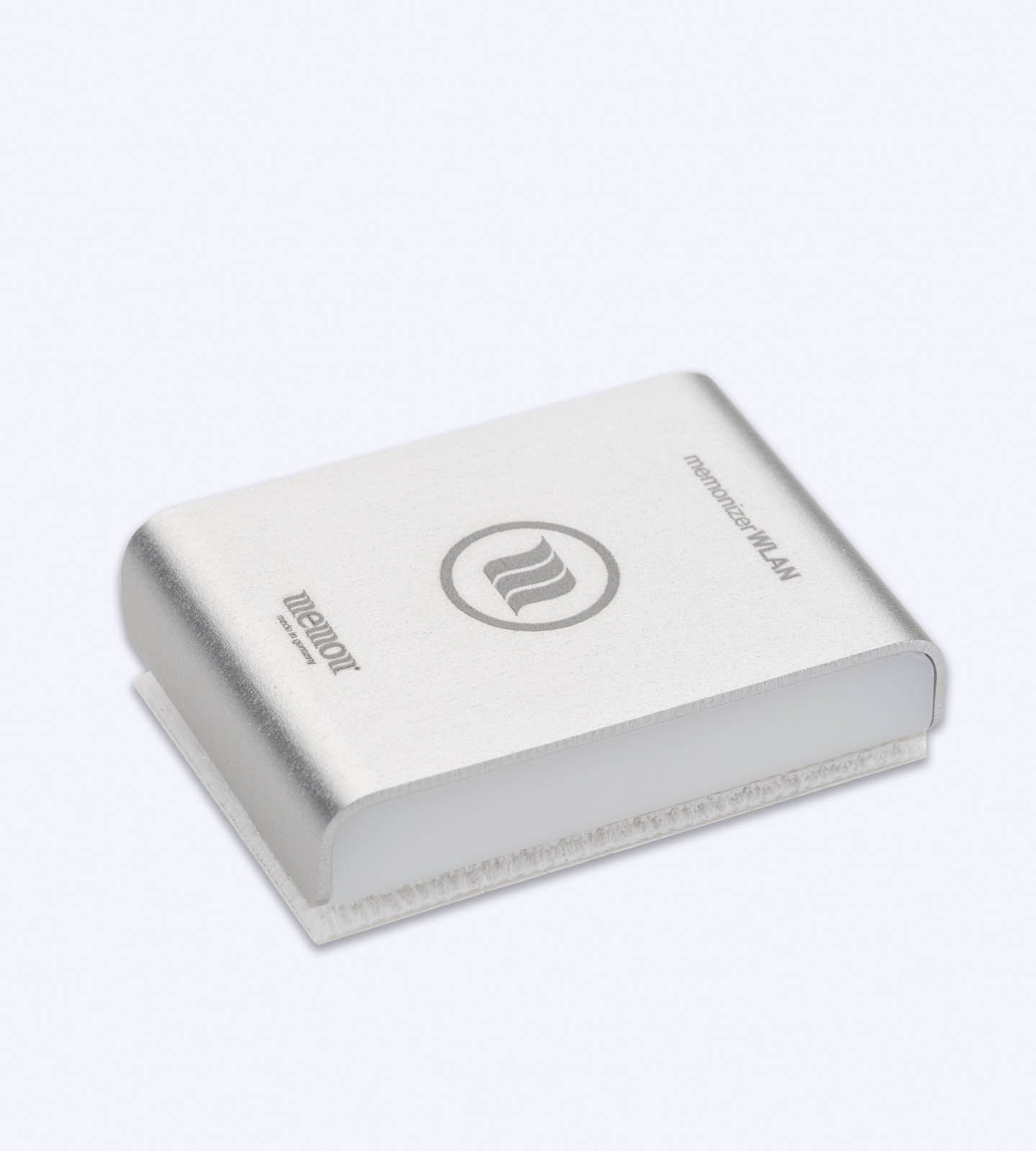
Your Serenity offers Memon products for home, wireless, mobile, vehicle, and other environments. Information about Memon technology reflects manufacturer positioning and should not be presented as a finding of the HHS review or as a substitute for federal exposure standards, medical advice, or established scientific guidance.
Readers who want to understand the available product categories can explore the Memon product catalog. That commercial information is separate from the federal evidence review summarized in this article.
Frequently asked questions
Did HHS say that Wi-Fi or cell phones are dangerous?
No. The RFI is a request for evidence and information. It is not a finding that Wi-Fi, cell phones, 5G, or other wireless technologies have been proven harmful.
Did the HHS review change federal RF exposure limits?
No. The request for information did not itself change federal exposure limits. Existing requirements remain in effect unless the responsible agencies take separate action.
When did the public-comment period end?
The Federal Register notice was published on September 21, 2026, and comments were due by October 21, 2026.
When will HHS publish its conclusions?
As of October 24, 2026, HHS has not announced a final report date or final findings from this RFI. The agency stated that the information will help it evaluate evidence, compare standards, identify research gaps, and inform recommendations.
The bottom line
The 2026 HHS review creates a formal federal process for examining RF/EMF evidence at a time when wireless technologies are expanding into more parts of daily life. Its value will depend on how carefully different kinds of evidence are weighed and how clearly the Department separates established findings from uncertainty.
For now, the most accurate conclusion is straightforward: the comment period is closed, the evidence-review phase comes next, existing federal rules have not automatically changed, and no final HHS conclusions from this RFI have yet been announced.
Sources and further reading
U.S. Food and Drug Administration — Radio Frequency Radiation and Cell Phones
World Health Organization — Electromagnetic Fields
ICNIRP — Guidelines for Limiting Exposure to Radiofrequency Electromagnetic Fields